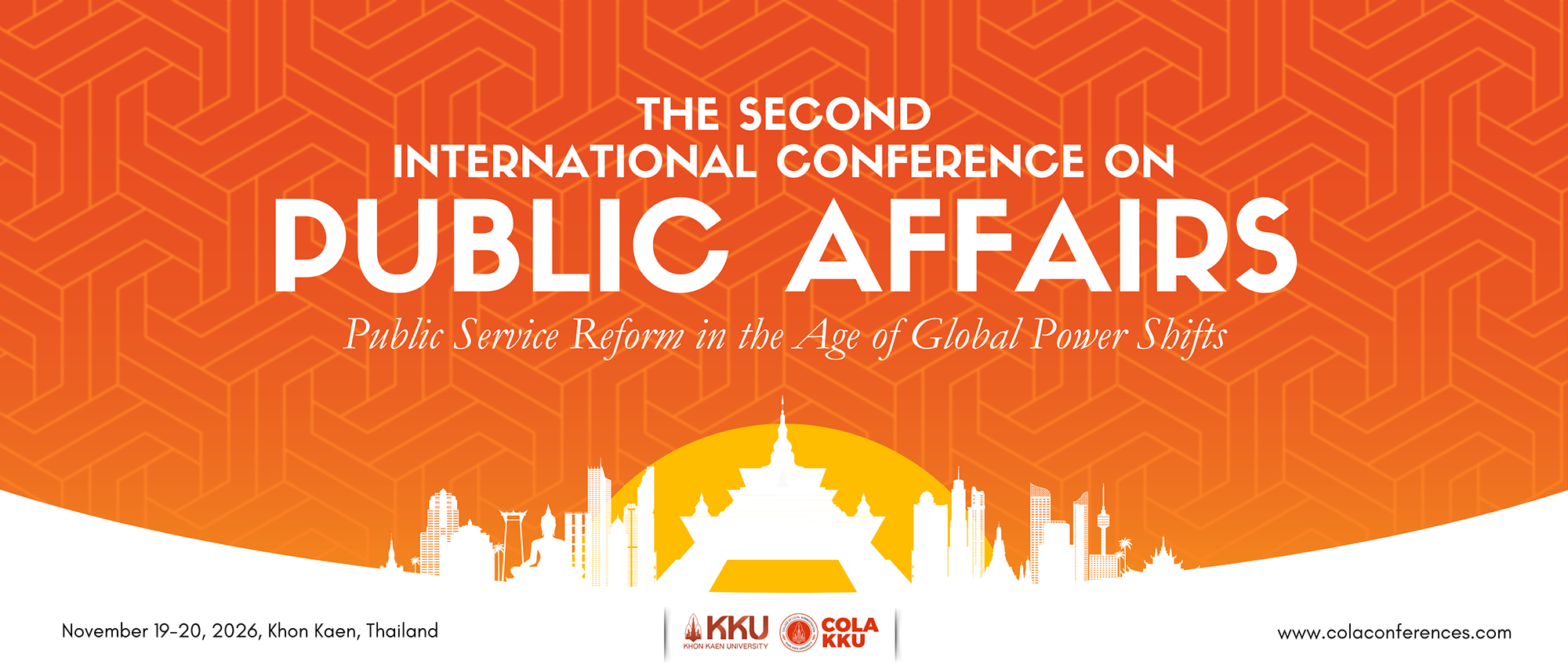
The Second International Conference on Public Affairs
Tracks
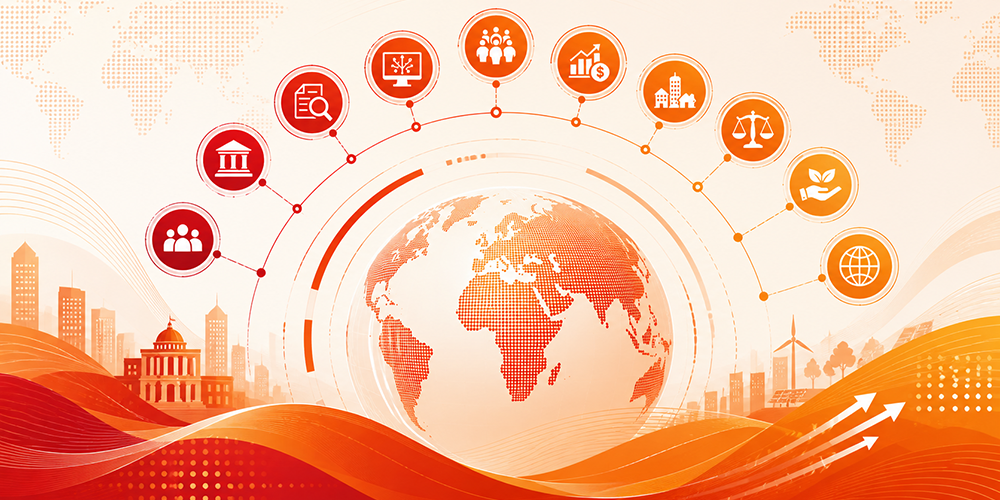
ICPA2026 is organized into a set of thematic presentation tracks that reflect both the core domains of public administration, public policy, and public affairs, and the overarching theme of public service reform in the context of global power shifts. These tracks are designed to accommodate diverse theoretical, empirical, and practice-oriented contributions, and to encourage interdisciplinary dialogue across levels of governance and policy sectors. Together, they provide a structured yet inclusive framework for exploring how public institutions, policies, and services are being reshaped in a rapidly changing global environment.
Track 1: Public Service Reform and Administrative Transformation
This track focuses on reforms in public administration and public service delivery in response to global power shifts, crises, and societal change. Topics may include civil service reform, public sector modernization, performance management, regulatory reform, and organizational change in government.
Track 2: Governance, Institutions, and Global Power Shifts
This track examines how changes in the global political and economic order influence governance arrangements and institutional design. Contributions may address institutional change, state capacity, legitimacy, multilevel governance, geopolitics, and the role of international and regional institutions in shaping public affairs.
Track 3: Public Policy Analysis, Design, and Implementation
This track welcomes studies on policy formulation, implementation, and evaluation under conditions of uncertainty and complexity. Topics may include policy reform, policy capacity, implementation gaps, street-level bureaucracy, evidence-based policymaking, and comparative public policy.
Track 4: Digital Government, AI, and Innovation in the Public Sector
This track explores how digital transformation, artificial intelligence, and emerging technologies are reshaping public administration and service delivery. Areas of interest include digital governance, GovTech, AI in public services, data-driven policymaking, cybersecurity, and ethical challenges of technology adoption.
Track 5: Collaborative Governance and Cross-Sector Partnerships
This track focuses on governance beyond the state, emphasizing collaboration among government, private sector, civil society, and communities. Topics may include network governance, public–private partnerships, co-production, social innovation, and managing inter-organizational collaboration in complex policy environments.
Track 6: Public Finance, Public Economics, and Fiscal Governance
This track addresses fiscal challenges and financial reforms in public administration. Contributions may examine public budgeting, taxation, fiscal decentralization, public expenditure management, financial sustainability, and the fiscal impacts of global economic shifts.
Track 7: Local Governance, Decentralization, and Urban–Regional Affairs
This track highlights public affairs at the subnational level. Topics may include decentralization, local government reform, metropolitan governance, urban policy, regional development, and the role of cities and local authorities in a changing global order.
Track 8: Ethics, Accountability, and Public Sector Leadership
This track examines ethical challenges, accountability mechanisms, and leadership in public service. Areas of interest include public sector ethics, integrity systems, transparency, anti-corruption, leadership development, and public service motivation in times of political and social change.
Track 9: Crisis Governance, Resilience, and Sustainability
This track focuses on how governments respond to global and transboundary crises. Topics may include crisis management, disaster governance, climate change policy, sustainability, resilience-building, and long-term public service adaptation to global risks.
Track 10: Comparative and International Public Administration
This track encourages comparative, cross-national, and international perspectives on public administration and public policy. Contributions may explore lessons learned across countries, policy transfer, administrative traditions, and comparative reform trajectories in different political and institutional contexts.